Explore our premium industrial ceramics & target configurations engineered for vacuum deposition, semiconductor processing, and high-temp barriers.
In the modern manufacturing landscape, industrial systems operate under increasingly hostile environments. Traditional organic, elastomeric, and soft metallic sealing materials fail when exposed to temperatures exceeding 500°C, highly aggressive chemical solvents, or extreme plasma configurations. This has triggered a massive global shift toward advanced Ceramic Gasket Materials.
Ceramic gaskets and sealing structures, synthesized from high-purity oxides, nitrides, and carbides (such as Alumina, Silicon Carbide, and Boron Nitride), provide unparalleled chemical inertness, excellent thermal shock resistance, and electrical insulation. Unlike soft gaskets, rigid or semi-flexible ceramic sealing components do not deform under extreme mechanical load and maintain atomic structure stability at temperatures up to 2000°C.
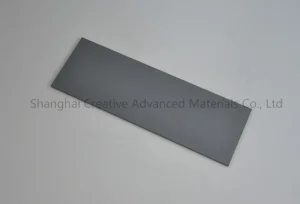
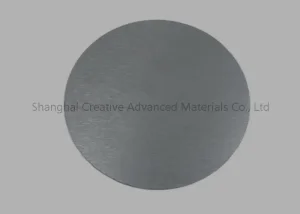
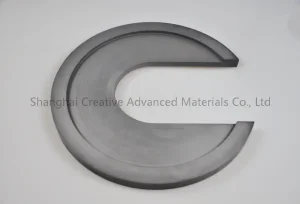
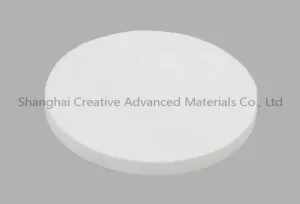
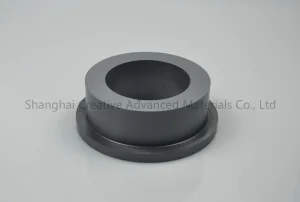
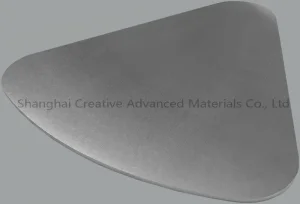
With the rise of semiconductor wafer processing nodes down to 3nm and below, chamber process environments demand contamination-free materials. Standard gasket seals are replaced by ultra-precision machined ceramic components (such as Silicon Carbide and Boron Nitride sintered plates) to serve as electrical isolators and protective gas seals, preventing trace metal outgassing during high-energy sputtering or chemical vapor deposition (CVD) steps.
Selecting the optimal ceramic material configuration requires evaluating multiple physical, thermal, and mechanical vectors. The comparative metrics below highlight the specialized capabilities of our core raw structures:
| Ceramic Material | Thermal Conductivity (W/m·K) | Maximum Operating Temp (°C) | Vickers Hardness (GPa) | Primary Application Strengths |
|---|---|---|---|---|
| Boron Carbide (B₄C) | 30 - 40 | ~1500 (inert atmosphere) | 30 - 35 | Extreme hardness, wear resistance, neutron shielding, oilfield components. |
| Silicon Carbide (SiC) | 120 - 200 | ~1650 | 22 - 28 | High thermal conductivity, corrosion resistance, semiconductor tooling, valves. |
| Alumina (Al₂O₃) | 25 - 30 | ~1700 | 15 - 18 | Cost-effective electrical insulation, high dielectric strength, structural elements. |
| Boron Nitride (BN) | 30 - 60 | ~900 (oxidizing) / 2000 (vacuum) | 0.5 - 1.0 (easily machinable) | Excellent thermal shock resistance, non-wetting with molten metals, electrical insulator. |
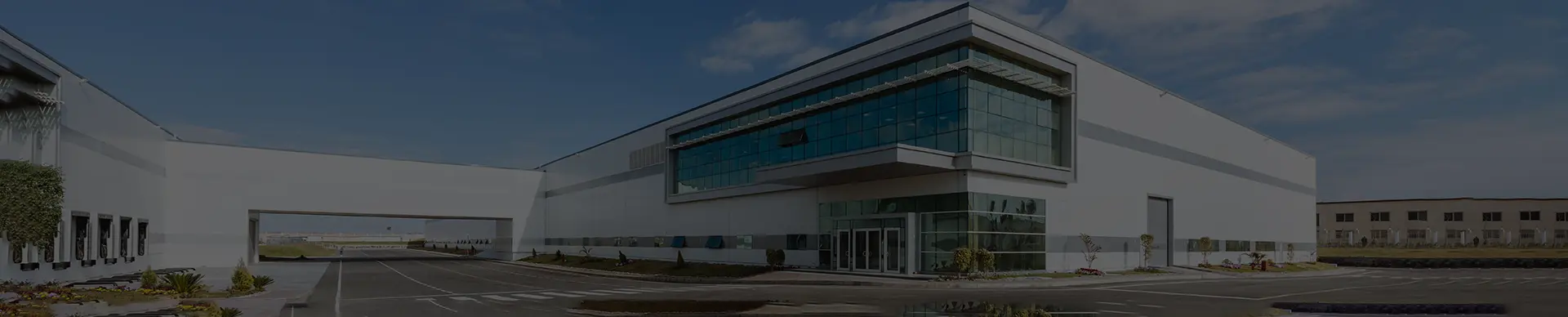
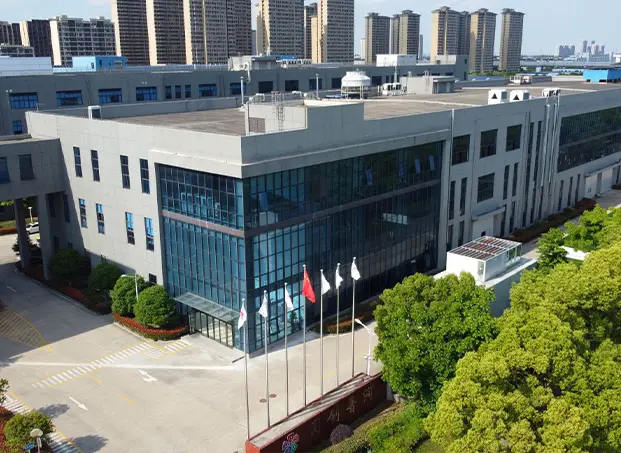
As a leading advanced materials hub based in Shanghai, Shanghai Creative Advanced Materials Co., Ltd. (SCA) leverages China's ultra-integrated raw material supply chain and highly specialized machinery ecosystem to deliver unrivaled cost-efficiency, speed, and precision.
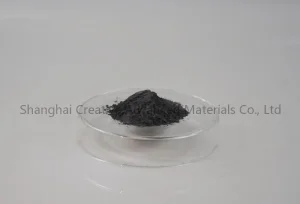
Our production facilities control the entire industrial value chain—from high-purity sub-micron powder preparation and automated spray granulation to precision sintering techniques (including hot pressing, pressureless, and reaction sintering). This tight integration allows us to execute rapid-turnaround custom gasket runs that are cost-effective, bypassing the multi-week lead times common in Western ceramic manufacturing.
Driving global advanced materials innovation with state-of-the-art infrastructure and deep materials research.
Our commitment to rigorous testing and zero-defect quality parameters enables us to supply components with serial-numbered batch traceability. We control chemical purity, surface finish roughness, and structural integrity from raw powder input to ready-to-run finished parts.
We optimize high-precision CNC machining schedules to match global shipping deadlines. By coordinating with major global cargo carriers, SCA ensures all export clearance procedures are handled swiftly, maintaining supply line security for major industrial manufacturing lines.
Every industrial environment requires a specific set of physical parameters. Our engineering teams assist clients in tailoring ceramic formulations (for example, dopants to modify electrical conductivity or grain boundaries to improve plasma resistance) to fit custom drawings.
Our dedicated tech engineers address complex materials inquiries, from thermal degradation modeling to sputtering target bonding suggestions. We offer continuous cycle support, ensuring long-term product viability and process optimizations post-installation.
Advanced ceramic gasket materials and structural components find critical application across specialized, high-stress operating environments:
In high-density plasma etching, PECVD, and ion implantation chambers, structural components must prevent particle contamination. Silicon Carbide (SiC) and high-purity Alumina (Al₂O₃) gaskets provide micro-structural durability, preventing gas leaks and ensuring zero metal contamination.
Searing exhaust streams require thermal shielding that will not crack or ablate. Sintered Boron Nitride and custom composite ceramic components serve as structural insulating seals that survive thermal cycles from ambient to over 1500°C within seconds.
Molten metallurgical environments break down typical seals. Sintered Boron Nitride (BN) plates and components are naturally non-wetted by molten aluminum, zinc, and magnesium, making them excellent sealing barriers for containment vessels and casting systems.
Our core manufacturing capabilities are optimized for producing the following industry-standard advanced ceramic profiles:
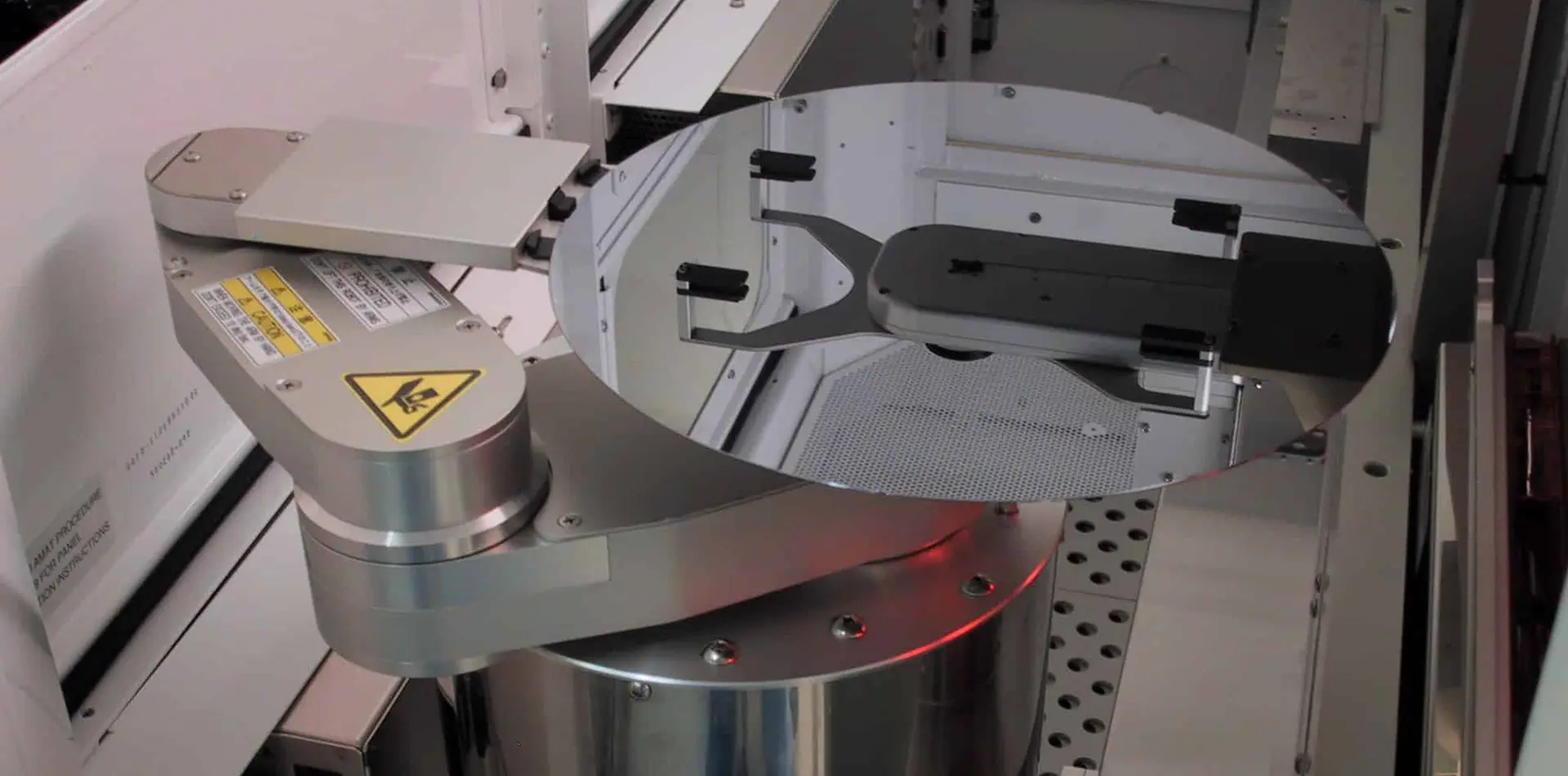
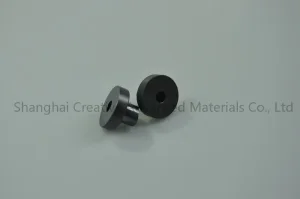
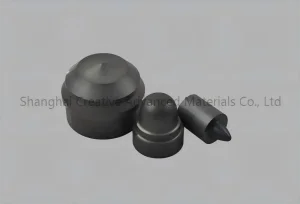
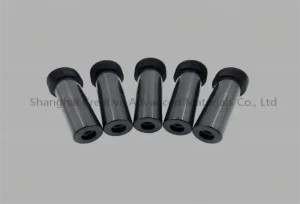
Boron Carbide (B₄C) is one of the hardest synthetically manufactured materials on Earth, second only to diamond and cubic boron nitride. It is widely used in high-wear industrial applications, armor systems for military and logistics protection, and sandblasting nozzles. Within the nuclear sector, its high neutron capture cross-section makes it the material of choice for control rods and neutron shielding structures.
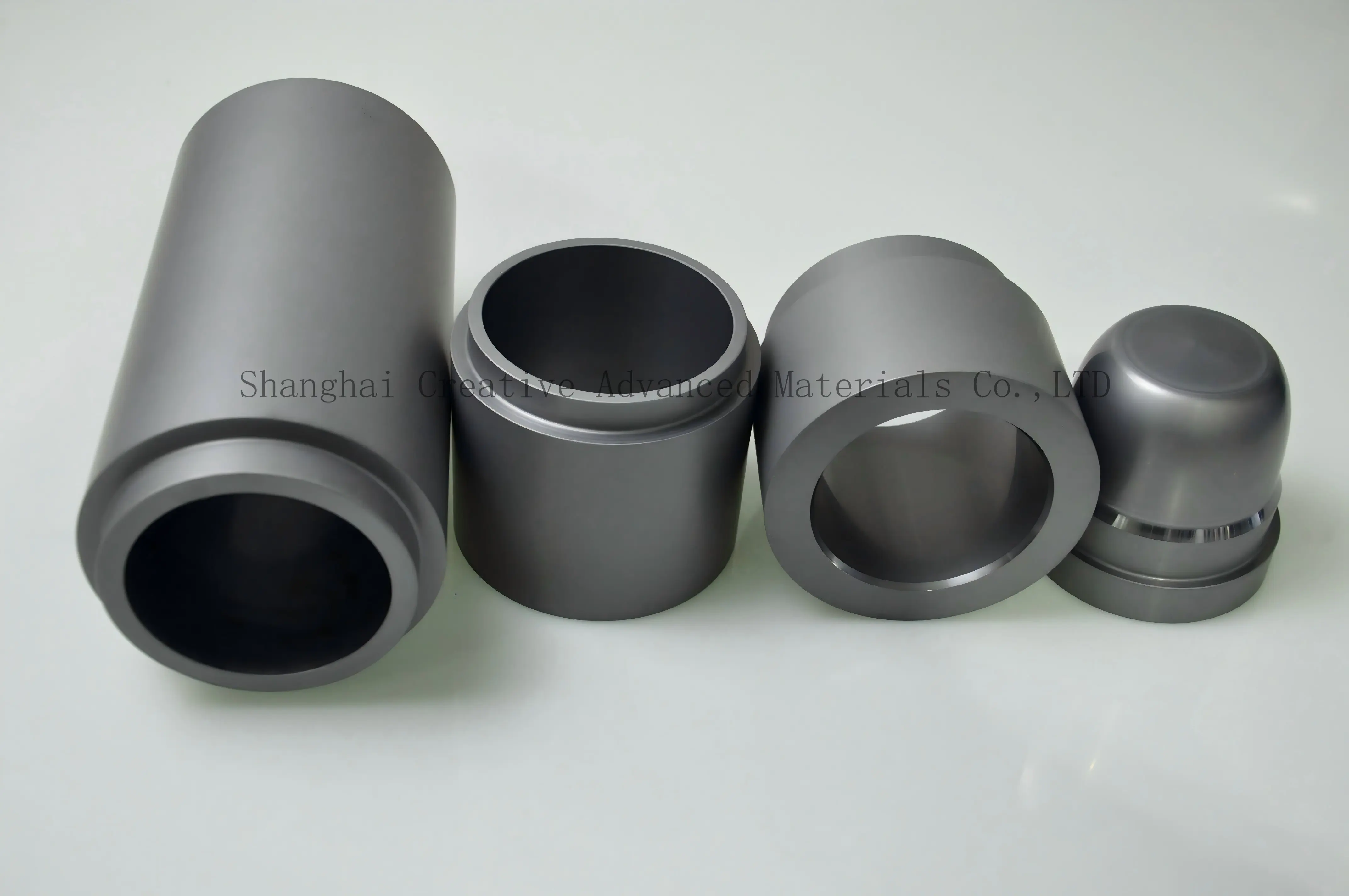
Silicon Carbide (SiC) combines exceptional hardness with high thermal conductivity, low thermal expansion, and superb resistance to chemical corrosion. It is highly valued for manufacturing structural components within the semiconductor wafer tooling, chemical valves, pumps, and solar array industries, where dimensional stability under thermal stress is critical.
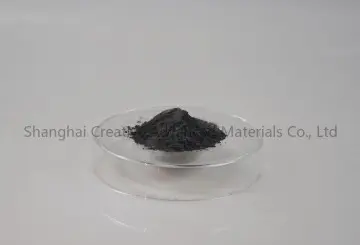
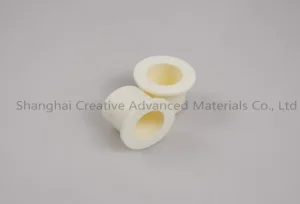
Alumina (Al₂O₃) is the most widely applied technical ceramic due to its high dielectric strength, high temperature stability, and excellent electrical resistance. Ideal for electrical insulators, kiln support elements, and custom high-temperature spacers, Alumina components provide excellent mechanical reliability and chemical durability at cost-effective price points.
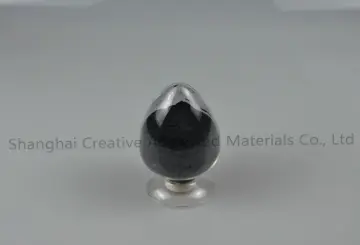
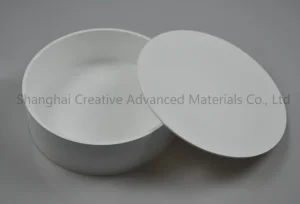
Hexagonal Boron Nitride (h-BN) exhibits physical characteristics comparable to graphite but operates as an electrical insulator with high thermal conductivity. It is easily machined using standard carbide tools and is highly resistant to chemical corrosion, thermal shock, and reaction with molten metals, glass, or slags, making it the premier choice for custom crucible seals and nozzles.
To ensure high performance and material consistency, SCA applies strict process controls across our 8-stage manufacturing process.

We analyze purity, grain size distribution, and chemical consistency to guarantee a stable starting powder structure.

Slurry concentration and binder distribution are controlled to yield uniform, highly flowable granular powder mixtures.

Automated dry pressing and isostatic pressing give green-body blanks high green density and dimensional consistency.

We utilize specialized vacuum, pressureless, and hot-press sintering ovens to achieve near-theoretical density levels.

Imported CNC machining, diamond grinding, and polishing centers ensure tolerances up to ±0.005mm.

Using coordinate measuring machines (CMM), ultrasonic crack detection, and physical property validation systems.

Conducted in cleanroom conditions, removing trace particles prior to hermetic sealing and export packing.

Export compliance paperwork and structural double-crate shipping protect critical materials en route.
Key information for engineering professionals and procurement teams during the sourcing process:
Select specialized targets and extreme-environment materials manufactured in our cleanroom facilities.
Keep up with technical updates, localized sintering breakthroughs, and market innovations in advanced ceramic structures.
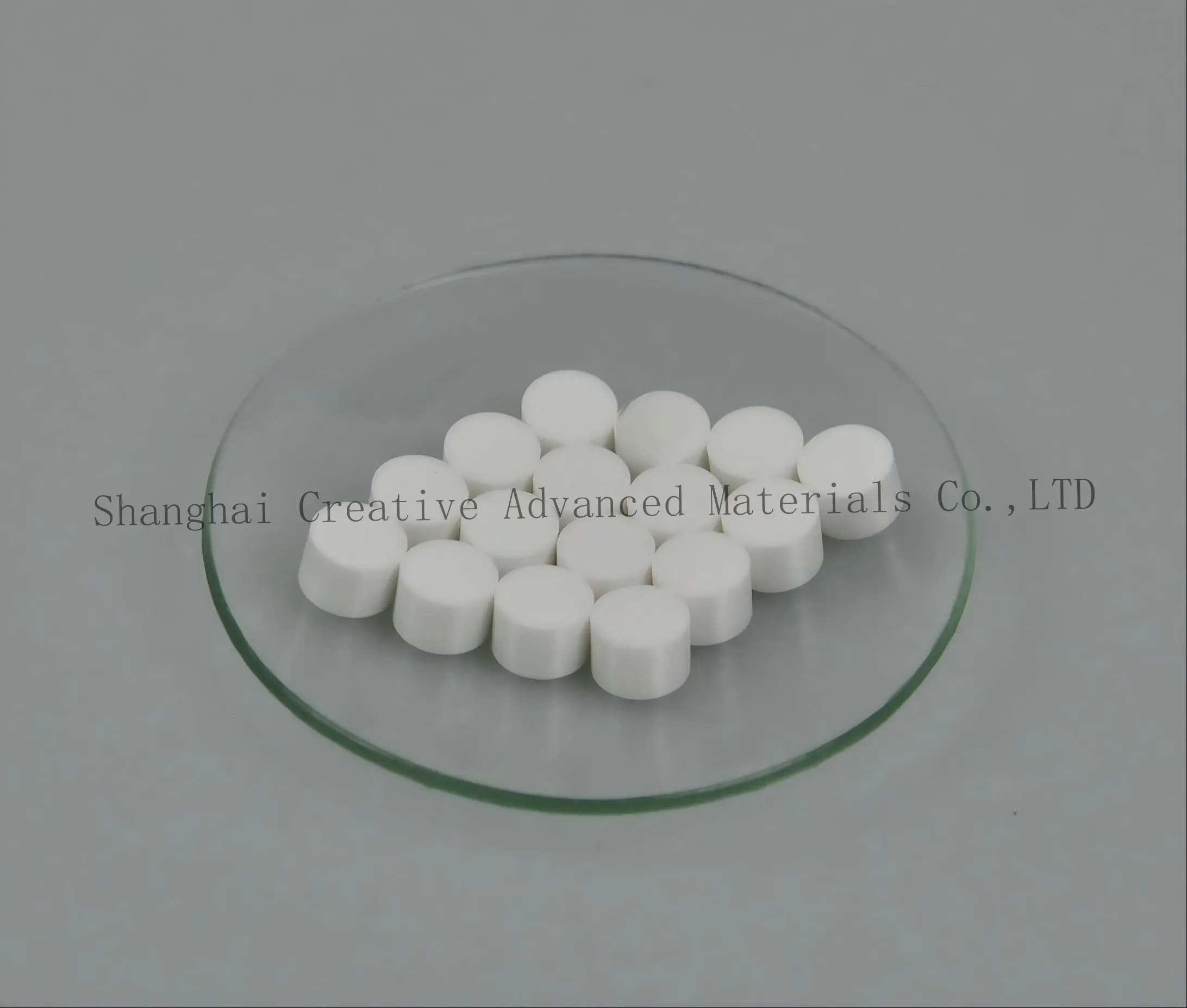
Localized sintering technologies drive upgraded zirconia ceramic industry efficiency and supply security throughout China's key manufacturing zones.
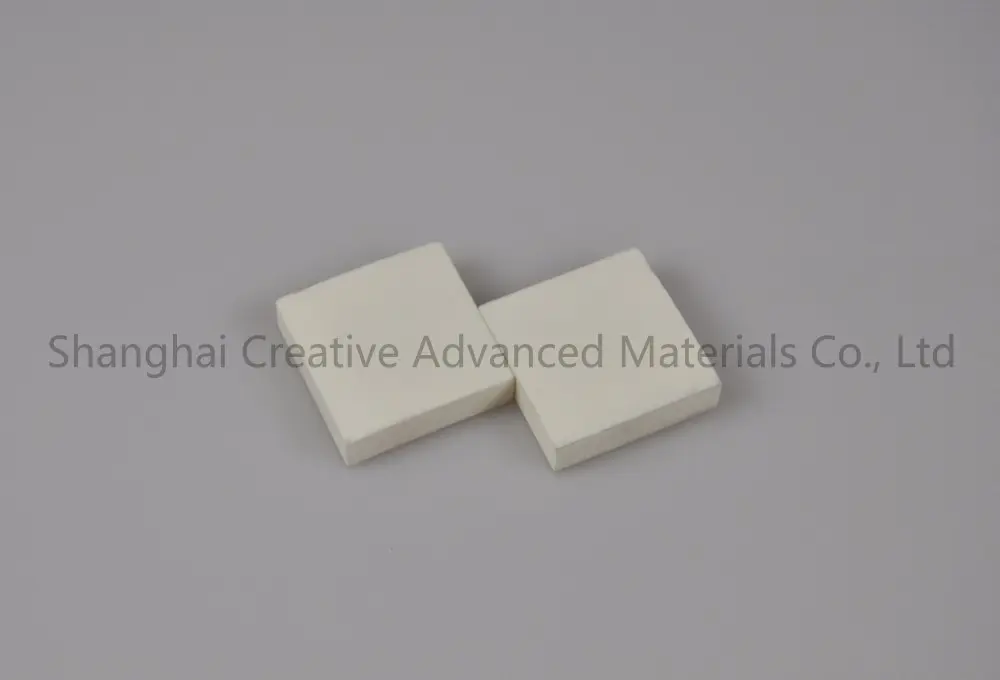
Investigating the impact of atmosphere controls on the structural integrity of high-density Boron Nitride crucibles during induction furnace runs.
Comparing the thermal expansion rates and grain boundaries of pressureless-sintered silicon carbide components versus hot-pressed variants.