Top-Tier Semiconductor, Metallurgy & Advanced Ceramic Products
Technical Evolution, Formulation Analysis, and Global Supply Realities
Pottery Plaster No 1 (primarily composed of high-purity calcium sulfate hemihydrate, CaSO₄·0.5H₂O) represents the cornerstone material for mold manufacturing in the global ceramic, tableware, and sanitaryware industries. The production of high-grade pottery plaster requires meticulous phase control during the calcination process of natural gypsum rocks. The balance between alpha-hemihydrate (α-form) and beta-hemihydrate (β-form) determines the final density, absorption capacity, mechanical strength, and expansion properties of the mold.
Unlike general construction plasters, Pottery Plaster No 1 is engineered to maintain a highly controlled crystalline matrix. This precise microstructure allows slip-casting solutions to release moisture uniformly via capillary action, preventing deformation or surface cracking in structural greenware.

Today, the commercial value of high-grade pottery plaster is deeply tied to automation in ceramic factories. Modern ceramic manufacturing lines employ high-pressure slip-casting systems and automated roller-head shaping machinery. These technologies demand plaster molds with ultra-uniform density profiles and extended lifetimes.
China has emerged as the premier manufacturing hub for Pottery Plaster No 1 due to its vast, premium-quality gypsum reserves and advanced thermal processing installations. Suppliers in China integrate real-time digital monitoring to check phase purity, ensuring that shipments bound for regions like Southeast Asia, Europe, and North America meet strict international standards for consistency, setting times, and physical durability.
Integrating silica fume, carbon-based nanostructures, and specialized organic polymers into the plaster slurry to improve compressive strength without sacrificing water absorption rates.
Optimizing the plaster chemistry to resist chemical attacks by sodium silicate and other modern deflocculants, thereby extending the average lifespan of casting molds by up to 35%.
Implementing low-temperature calcination and waste heat recovery systems to reduce industrial carbon emissions during raw gypsum processing.
The upcoming decade is defined by digital manufacturing and customized mold profiles. The roadmap for Pottery Plaster No 1 focuses heavily on hybrid formulations designed for 3D sand/plaster printers. These printers build complex molds layer by layer, bypassing traditional plaster casting phases. Additionally, the development of intelligent, self-indicating plaster formulations—which change color to signal physical wear or saturation limits—will help automated factories transition from scheduled mold replacements to predictive maintenance models.
Shanghai Creative Advanced Materials Co., Ltd.
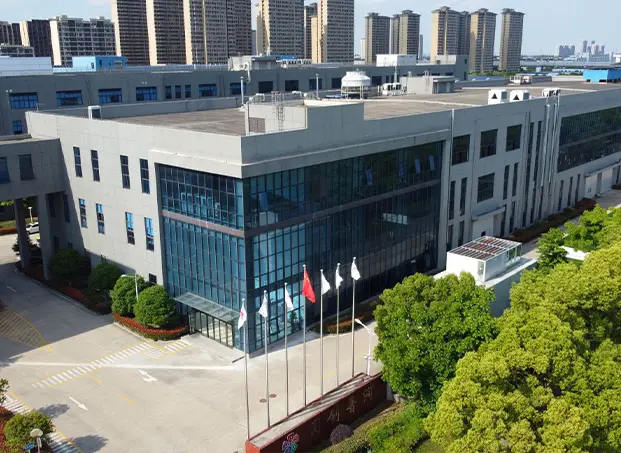
Established in the Shanghai Industrial Comprehensive Development Zone, Shanghai Creative Advanced Materials Co., Ltd. (SCA) is a high-tech pioneer specializing in semiconductor ceramic targets, powder metallurgy targets, advanced ceramic components, and specialized material systems. Our operations span R&D, advanced design, microstructural optimization, precision manufacturing, and professional logistics.
By focusing on raw material purity and precise processing, we supply reliable materials to domestic and global industries. From individual protective components to semiconductor sputter coatings and high-performance casting materials, SCA delivers unmatched performance.

Engineered Quality, Rapid Distribution & Bespoke Component Design
We provide full physical and chemical record traceability from raw powder extraction to final shipped products. Custom serial numbers are assigned to every unit, backed by patented material structures designed for harsh environments.
By optimizing our scheduling and maintaining strategic reserves of key materials, we reduce lead times. We prioritize swift shipping to keep your automated lines operating at peak efficiency.
We configure advanced chemical compositions, sintering pressures, and dimension geometries to meet demanding customer specifications. Our material science portfolio ensures tailored wear, temperature, and corrosion resistance.
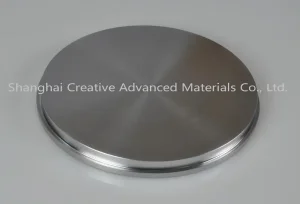
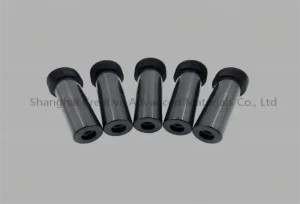
High-Hardness Ceramics, Metallurgy Targets & Custom Slugs


Physical Characteristics and Specialized Industrial Applications

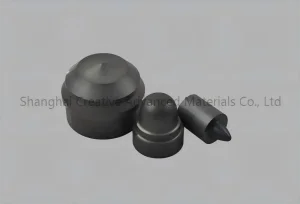
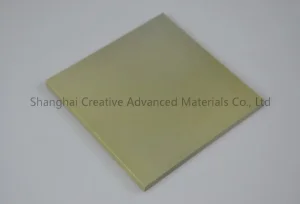
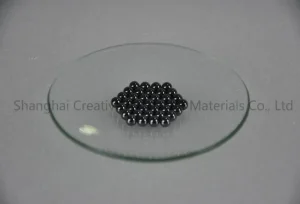
Often referred to as the "Black Diamond," B₄C is one of the hardest human-made materials. It features high neutron absorption, rendering it indispensable for nuclear containment shields, high-pressure sandblasting nozzles, and armor plating.
Detailed Data Sheets
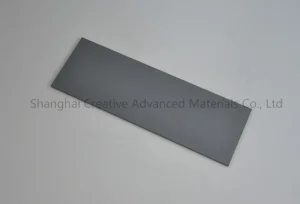
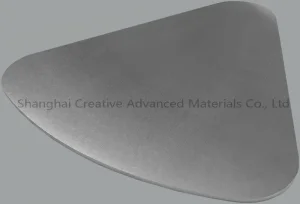
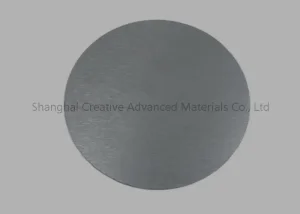
Known for its chemical inertness, high thermal conductivity, and hardness at elevated temperatures, SiC is ideal for semiconductor handling plates, solar wafers, pump seals, and extreme thermal linings.
Detailed Data Sheets
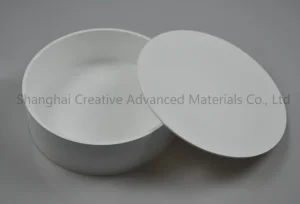
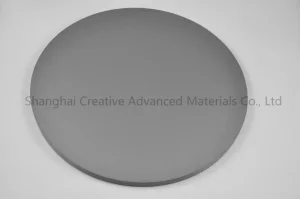
Alumina provides excellent electrical insulation, thermal stability, and wear resistance. It serves as the workhorse material for electrical components, microelectronic substrates, and industrial wear plates.
Detailed Data Sheets
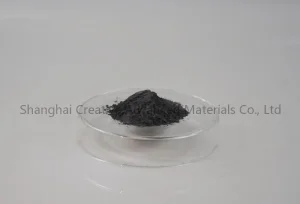
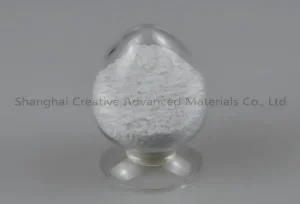
Combining high heat capacity, thermal conductivity, and electrical insulation, BN functions as a solid lubricant. It remains stable in contact with molten metals and is widely used for aerospace engine parts.
Detailed Data SheetsHow We Maintain Ultra-Consistency and High Purity Standards

We monitor chemical purity, particle sizes, and phase composition to ensure stable baseline materials.

We manage slurry density and distribution to achieve high-density green powders.

Automated dry isostatic pressing systems ensure uniform density across complex parts.

We utilize atmospheric, vacuum, hot-pressing, and reaction sintering methods.

Precision multi-axis CNC grinding systems achieve sub-micron dimensional accuracy.

We deploy CMM dimensional measurements alongside ultrasonic flaw detection.

Cleanroom processing lines protect high-purity semiconductor components from trace contamination.

Specialized shock-absorbent packaging preserves tight tolerances during transit.
Integrating Advanced Chemical Formulations with Automated Casting Infrastructure
Operating modern automated slip casting lines requires a precise balance between physical mold properties and chemical slip additives. Industrial producers often encounter premature mold failure due to localized face erosion and pore clogging.
By coordinating plaster composition with the dispersant concentrations in the clay slips, factories can control structural degradation. Using Pottery Plaster No 1, which features custom-graded pore distributions, prevents fine clay particles from clogging capillary pathways. This maintains stable water extraction rates across multiple manufacturing shifts.
As environmental regulations tighten, the ceramic sector is focusing on zero-waste production. Spent plaster molds represent a major industrial byproduct.
Technological breakthroughs now allow factories to reprocess spent gypsum molds. Spent plaster is crushed, washed to remove chemical residues, and calcined again to convert it back into hemihydrate form. When blended with virgin Pottery Plaster No 1, this recycled material helps factories reduce raw material consumption by up to 25% while maintaining product quality.
Expert Answers on Material Applications and Mold Optimization
Pottery Plaster No 1 is formulated with a precise ratio of alpha and beta hemihydrate gypsum. This provides uniform capillary absorption, higher mechanical strength, and minimal thermal expansion, which are essential for precision ceramic mold making.
A lower water ratio increases density and mechanical strength but decreases water absorption rates. Maintaining a consistent mixing ratio is critical to achieving predictable capillary suction during slip casting.
Plaster molds should not be dried at temperatures exceeding 50°C to 55°C. Exceeding this range causes chemical dehydration, turning the gypsum back into hemihydrate form and resulting in structural cracks.
Micro-porosity controls the rate of water extraction from the slip. Uniform pore distributions ensure consistent greenware wall thickness and prevent shrinkage defects.
Sodium silicate deflocculants react with the calcium ions in plaster, forming calcium silicate deposits that clog pores and degrade the mold surface. Using chemical-resistant plaster formulations helps mitigate this issue.
Yes, clean recycled plaster can be blended with virgin plaster at ratios up to 20-25% without significantly compromising the mechanical strength or absorption properties of the molds.
Setting times accelerate as temperatures rise up to 30°C. Above 40°C, the hydration rate slows, and setting times lengthen. Consistent slurry temperature is key to reproducible manufacturing processes.
Molds should be kept in well-ventilated, dry environments, protected from physical impacts, and shielded from contact with soil or moisture to prevent mold growth and efflorescence.
Technical Insights into Global Ceramic Engineering & Target Sputtering Developments
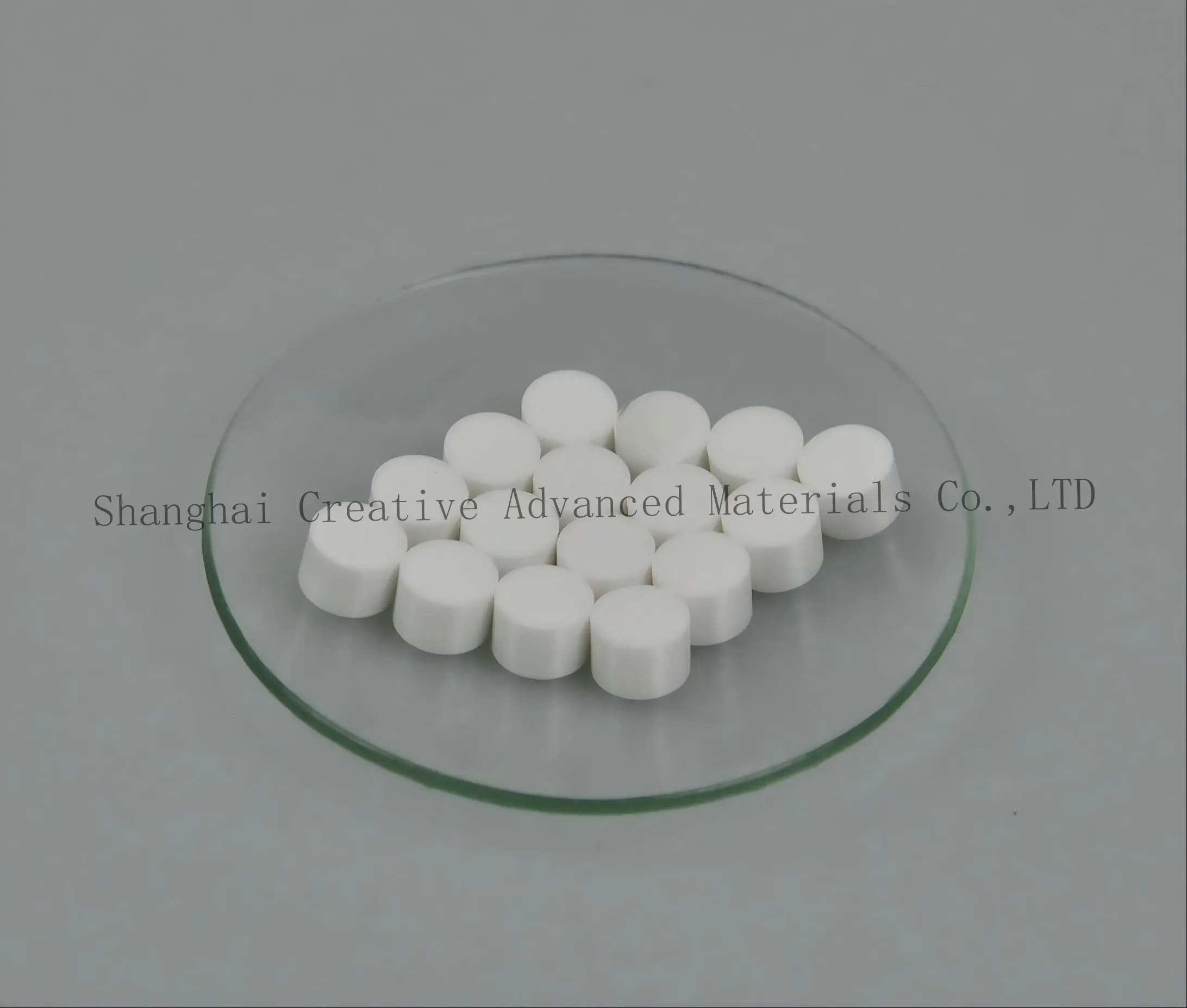
New localized sintering processes are improving density profiles, paving the way for advanced zirconia ceramics in high-wear mechanical applications.
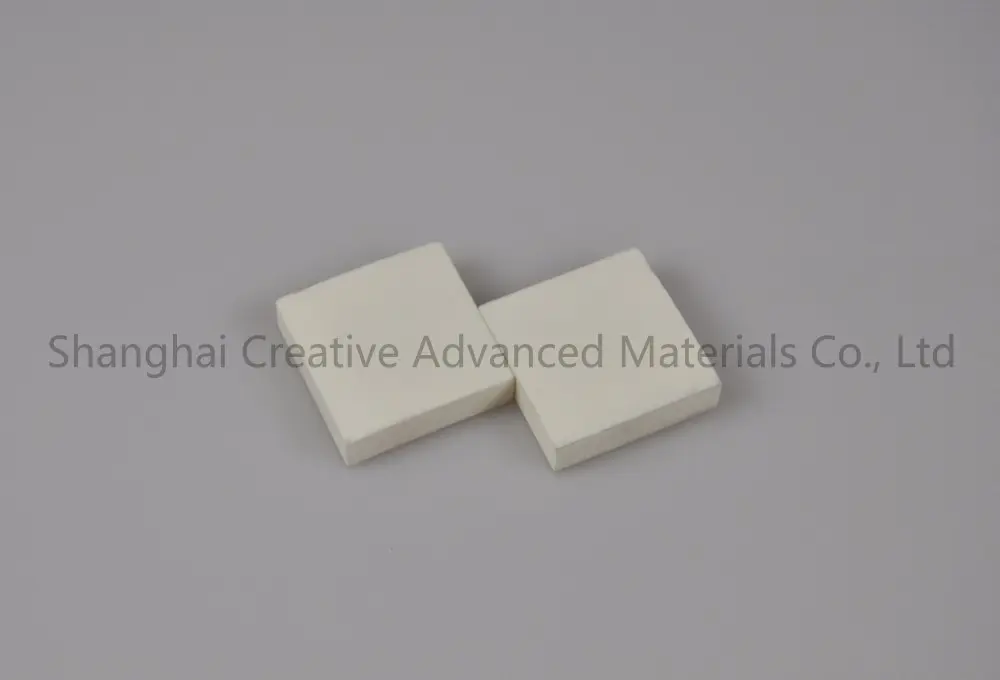
Analyzing thermal profiles in sintering chambers to reduce energy consumption while optimizing structural ceramic targets.
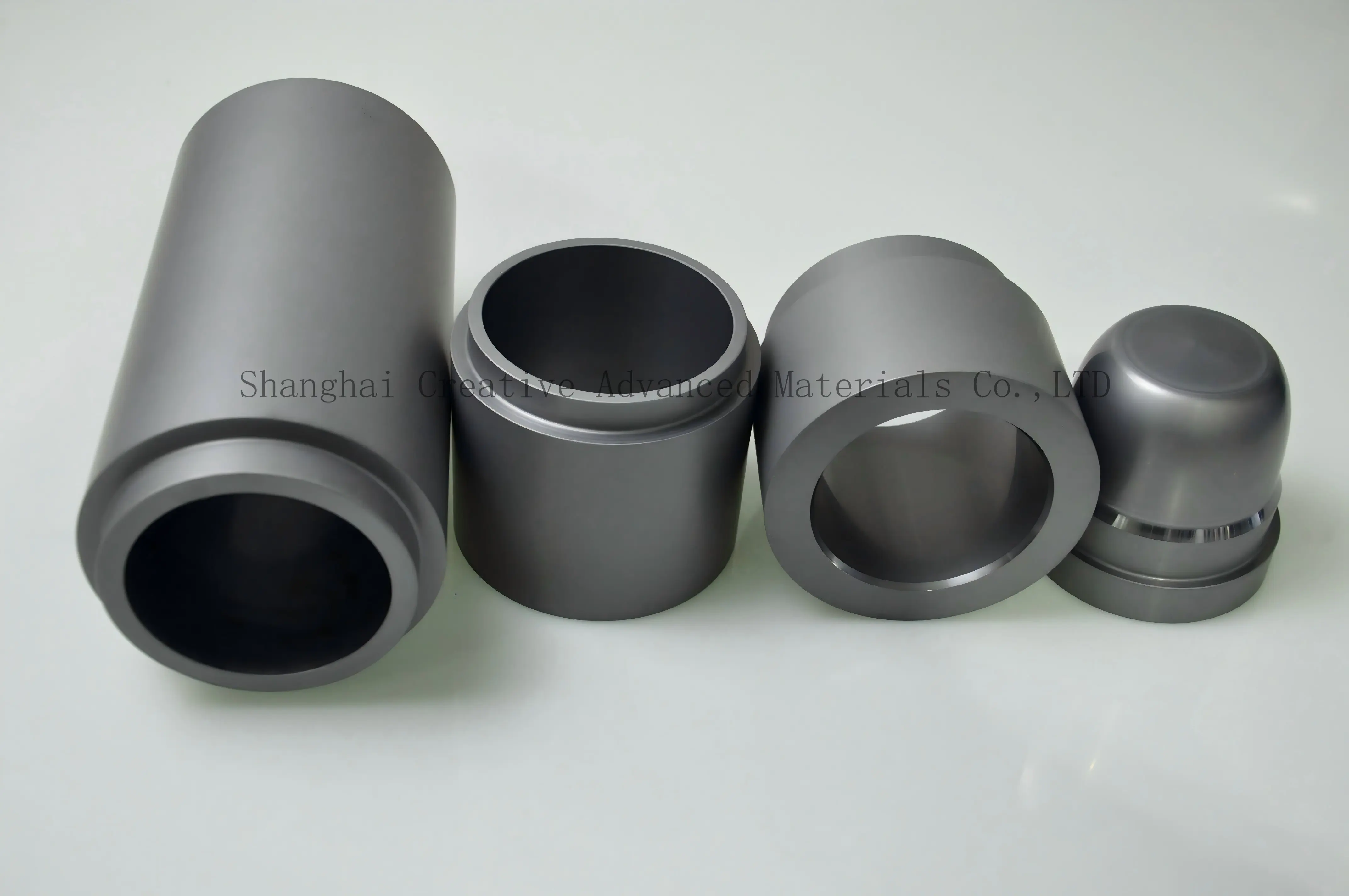
Pressureless sintering processes yield complex SiC parts with superior corrosion and wear resistance compared to traditional reaction-bonded ceramics.
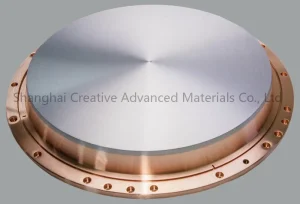
High-Purity Thin Film Sputter Targets & Engineered Ceramics