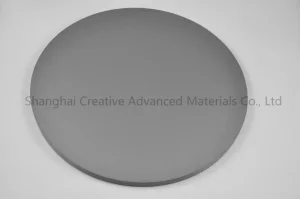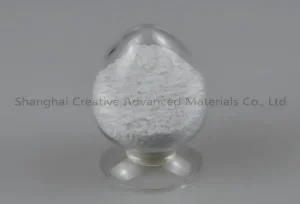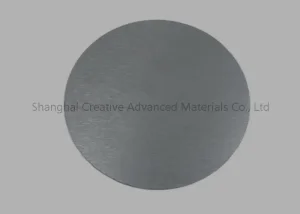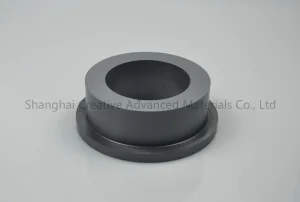
Advanced structural ceramic components and raw materials engineered for precision environments.
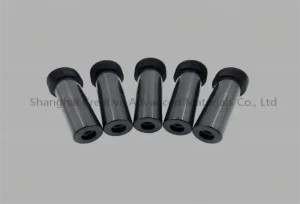
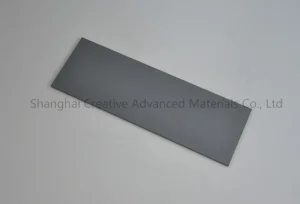
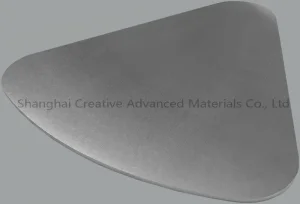
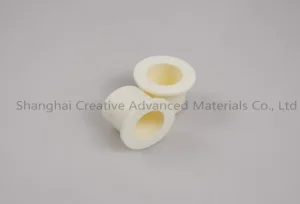
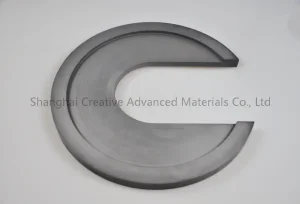
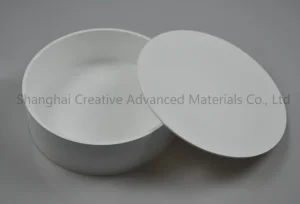
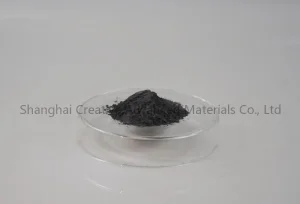
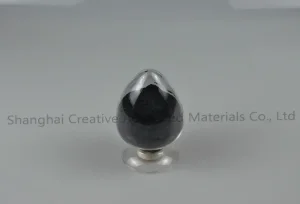
In modern high-temperature manufacturing, semiconductor lithography, aerospace design, and chemical processing plants, conventional elastomeric or metallic gaskets inevitably fail under extreme conditions. Factors such as corrosive chemical agents, thermal shock, extreme pressures, and intense mechanical wear require the integration of advanced ceramic sealing elements. Advanced ceramic gaskets, composed primarily of raw materials such as silicon carbide (SiC), boron carbide (B4C), boron nitride (BN), and alumina (Al2O3), offer the optimal solution. These materials maintain structural stability under temperatures exceeding 1,500°C, demonstrate chemical inertness across the entire pH scale, and exhibit minimal thermal expansion coefficients, making them indispensable components in modern industrial operations.
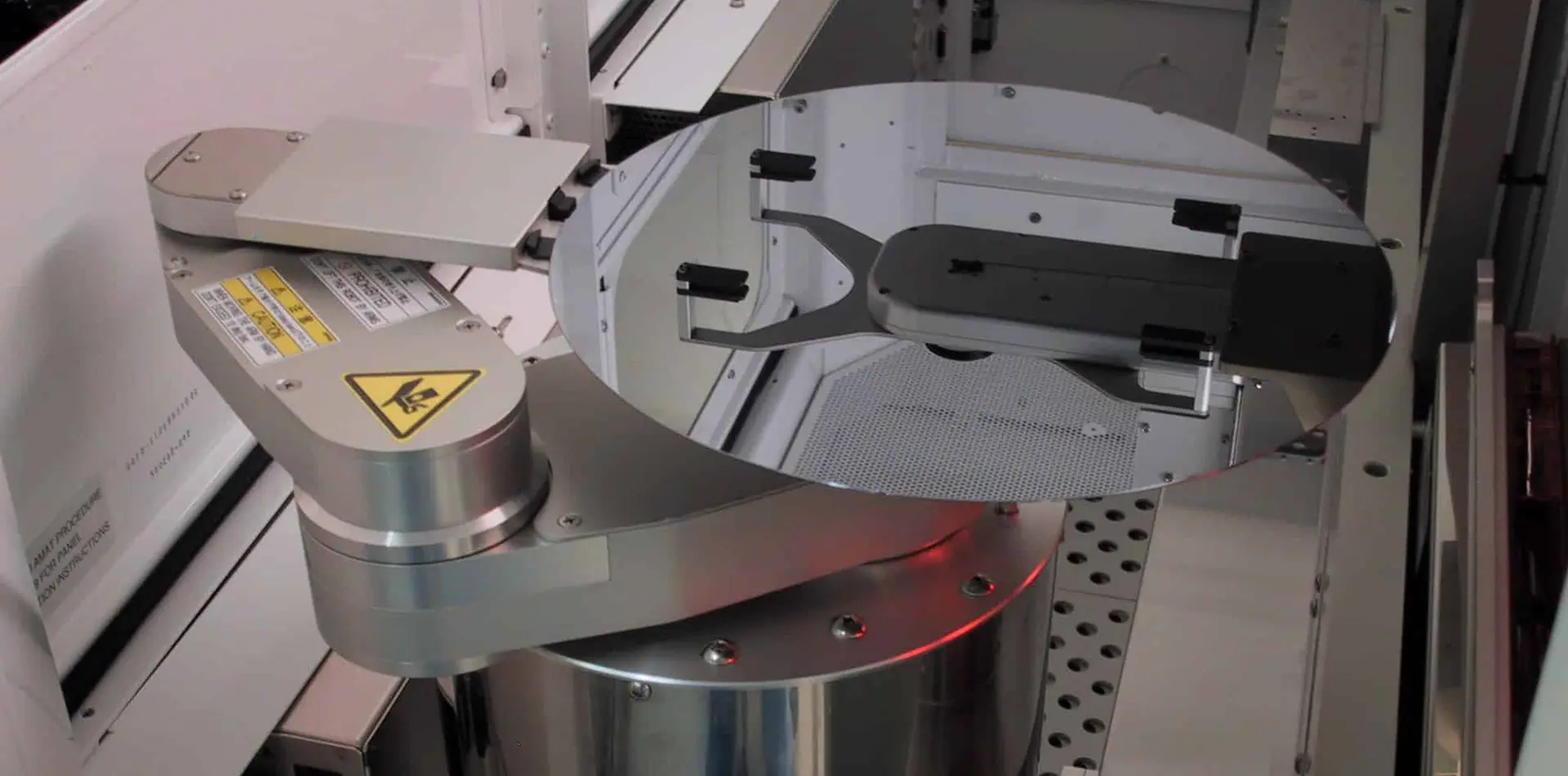
As microchip geometries shrink to the sub-2nm nodes, semiconductor fabrication machinery depends heavily on maintaining ultra-clean, ultra-high vacuum (UHV) atmospheres inside plasma etching and deposition chambers. Standard polymer seals degrade when exposed to fluorine- and chlorine-based plasma processes, leading to off-gassing, volatile organic contamination, and premature wafer defects. High-purity alumina and silicon carbide gaskets provide critical, non-reactive barriers that resist ion bombardment. This guarantees long-term sealing performance and limits maintenance downtime, directly improving yield metrics for semiconductor fabs worldwide.
Innovative advanced material portfolios developed with our long-term global partners.


Years of
Industry Experience
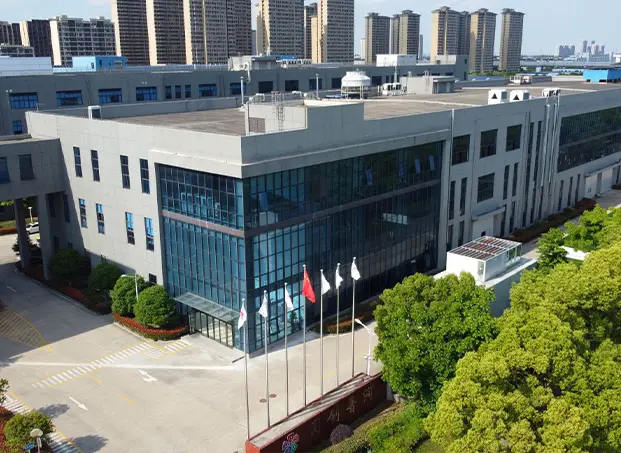
Established in the Shanghai Industrial Comprehensive Development Zone, Shanghai Creative Advanced Materials Co., Ltd. (SCA) is a premier high-tech enterprise integrating R&D, advanced manufacturing, and global commercial trade. We specialize in semiconductor ceramic targets, powder metallurgy targets, advanced ceramic structural components, and high-performance neutron absorption materials.
With an active presence in extreme environmental sealing, our engineering team utilizes high-precision forming processes, pressureless sintering, and diamond finishing machinery. This ensures our ceramic gaskets and components comply with the highest structural and dimensional standards required by European, American, and Asian industrial specifications.


 Our Advantages
Why Tier-1 industrial enterprises choose Shanghai Creative Advanced Materials Co., Ltd.

Our commitment to continuous improvement, customer satisfaction, and rigorous quality control makes SCA a trusted partner in advanced ceramics. We provide full traceability from raw material powder certification to final product inspection. Every component is laser-engraved with serial numbers for field service accountability.

With an optimized chemical-physical processing facility and robust supply chains, we ensure reliable lead times. We understand that minimized downtime is critical for our customers. Consequently, our factory keeps stock of semi-finished rods, tubes, and blanks to fulfill urgent custom orders rapidly.

We configure advanced material combinations tailored to demanding custom environments. Our design services help resolve issues related to thermal expansion mismatch, structural fatigue, and mating assembly tolerances. This ensures high structural integrity and operational life for ceramic-to-metal connections.

SCA supports customers worldwide with advanced production technology, strict quality control systems, and comprehensive engineering support. We provide detailed consultations on material selection, FEA thermal simulation, and post-installation reviews for sealing components.
A comprehensive overview of our core advanced material classes and their engineering properties.

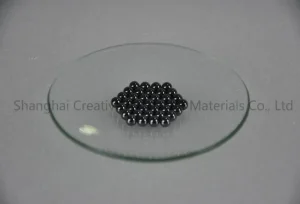
Boron Carbide (B₄C) is one of the hardest synthetic materials, second only to diamond. Its unique properties make it ideal for bulletproof personal armor, vehicle protection (tanks, helicopters, APCs), neutron absorption plates in nuclear applications, sandblasting nozzles, and precision semiconductor grinding media.
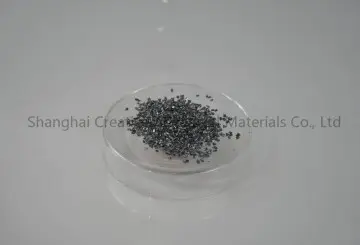
Silicon Carbide is a synthetic crystalline compound characterized by high hardness, high thermal conductivity, low thermal expansion, and excellent corrosion resistance. It is used for precision valve seats, chemical pumps, semiconductor processing chamber rings, structural kiln parts, and armor plates.
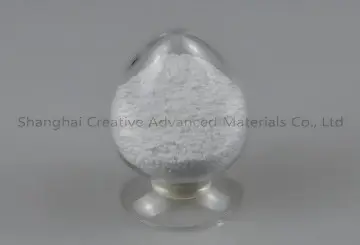
Alumina (Al₂O₃) remains the industry workhorse for high-voltage insulation, chemical isolation, and thermal resistance. With purities from 95% to 99.8%, it is widely used in semiconductor gas distribution plates, vacuum feedthroughs, electrical insulators, furnace tubes, and heavy wear protection.
Boron Nitride resists chemical corrosion and is non-wetting to most molten metals and glass. Highly machinable, it is used for high-temperature electrical insulators, crucible parts, plasma arc equipment, non-wetting nozzles, and heat-dissipating plates in electronics and aerospace.
A structured outline of our quality-controlled, step-by-step manufacturing process.

We analyze purity, particle size distribution, and chemical stability to ensure high-performance feedstock.


We control slurry concentration and composition uniformity, monitoring bulk density and powder flow properties.

Automated dry pressing and cold isostatic pressing (CIP) are used to manufacture high-density green compacts.

We utilize hot pressing (HP), gas pressure sintering (GPS), and pressureless sintering for high densification.

Imported CNC diamond grinding machinery helps us achieve tight tolerances on complex geometries.

We verify quality using coordinate measuring machines (CMM), density tests, and ultrasonic flaw detection.

Cleanroom packaging and ultrasonic cleaning ensure components remain clean and ready for UHV installation.

Custom packaging and export clearance ensure safe transit to our global clients.
The global industrial ceramic supply chain has shifted significantly toward specialized Chinese manufacturers. Historically, advanced ceramics production was concentrated in Japan, Western Europe, and North America. Today, facilities like Shanghai Creative Advanced Materials Co., Ltd. offer comparable material properties and dimensional tolerances at competitive price points. This shift is driven by extensive domestic investments in ultra-high-temperature sintering kilns, multi-axis CNC diamond grinding machinery, and integrated vertical supply chains. Our factory processes raw material powders and finishes components in-house, eliminating intermediate processing markups and shortening development cycles.
Sourcing advanced ceramic gaskets from Chinese manufacturers provides significant flexibility. Standard global distributors offer catalog parts with long lead times for custom dimensions. In contrast, Chinese factories utilize modular tooling and fast-prototyping processes to deliver custom-engineered seals in weeks instead of months. Our engineering team assists clients throughout the design phase, matching specific applications with the optimal material grade. We adjust parameters like grain boundary phases and surface finishes to meet the unique sealing requirements of our clients.
A key challenge when installing ceramic gaskets is managing the coefficient of thermal expansion (CTE) mismatch between the ceramic seal and its mating metal flanges (such as stainless steel, titanium, or nickel superalloys). During thermal cycling, metals expand at a faster rate than ceramics. This differential expansion can lead to uneven stresses, localized mechanical overloading, and seal failure. To address this, SCA design engineers develop custom geometry profiles, such as spring-loaded metal jackets, hybrid metallic-ceramic seals, and custom bevel profiles. These designs redistribute mechanical clamping loads, maintaining hermetic performance under thermal fluctuations.
Expert engineering answers about material characteristics, custom design, and industrial installation.
For highly acidic, alkaline, or chemical solvents, Silicon Carbide (SiC) is the industry standard. It features covalent atomic bonding, providing strong chemical resistance across nearly the entire pH range. For specialized corrosive applications involving strong acids, high-purity Alumina (99.8% Al₂O₃) is also suitable, offering stability and prevention of process contamination.
Operating limits depend on the material and ambient atmosphere. Boron Nitride (BN) withstands up to 900°C in oxidizing atmospheres and up to 2000°C in inert gas environments. Silicon Carbide (SiC) and Alumina (Al₂O₃) perform reliably up to 1400°C and 1650°C respectively. It is critical to account for chemical reactivity and gas atmospheres at temperatures above 1000°C.
Because structural ceramics lack elasticity, achieving a hermetic seal (leak rates < 1×10⁻⁹ mbar·l/s) requires precise finishing. We polish mating surfaces to flatnesses within light bands and sub-micron roughness (Ra < 0.2µm). In many cases, we integrate a thin, ductile metal interlayer (such as gold, copper, or indium) between the ceramic and metal flange to absorb micro-irregularities.
Yes, we produce custom geometries. Using 5-axis CNC grinding centers, diamond tools, and ultrasonic machining, we generate complex features, asymmetric profiles, and internal cooling channels. Customers can supply CAD drawings (.step or .dwg) for feasibility reviews and technical feedback from our engineering team.
Insights into sintering technology developments, structural ceramics, and product innovations.
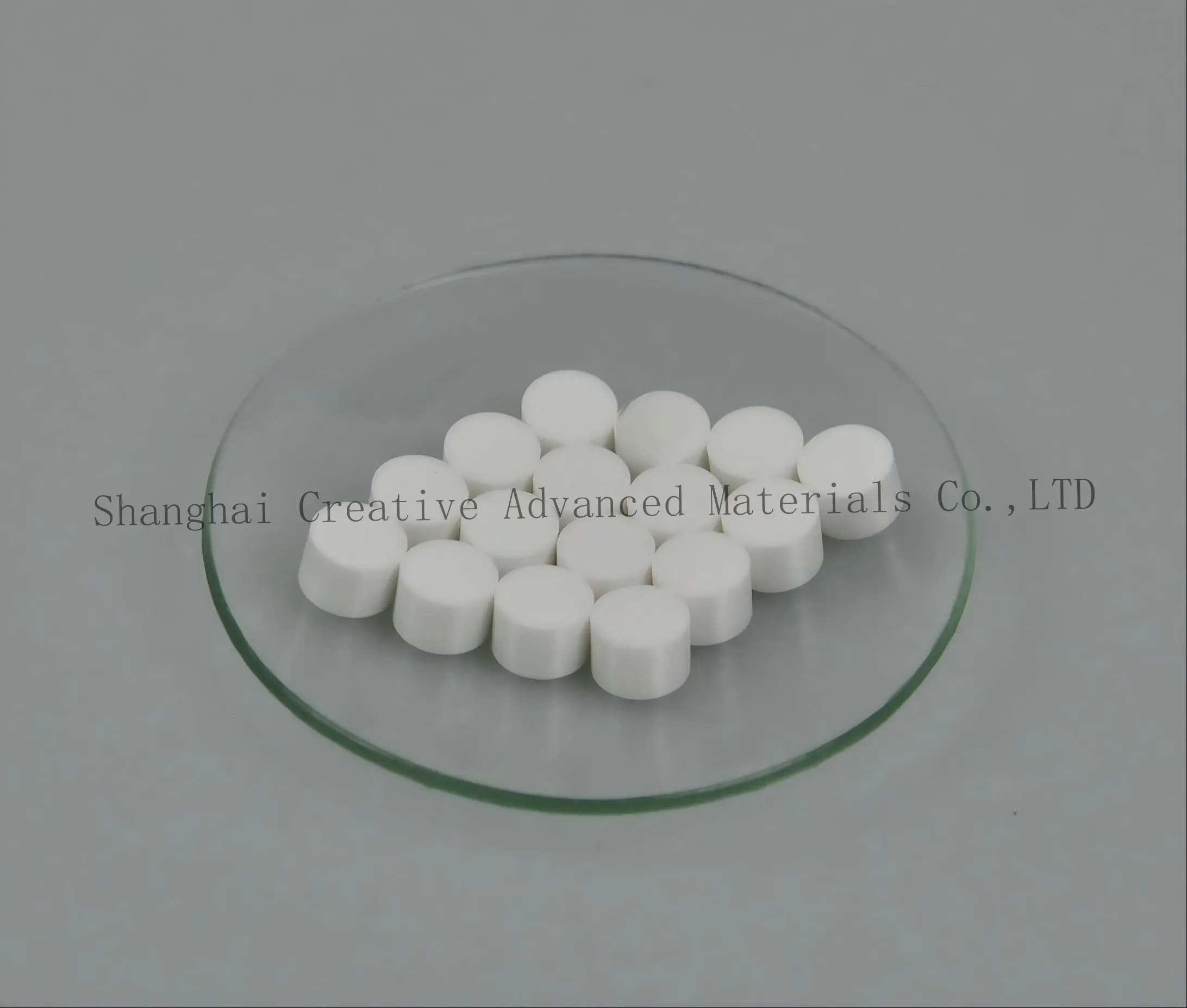
Localized sintering technologies and improved raw material processing drive advancements in China's zirconia ceramic industry.
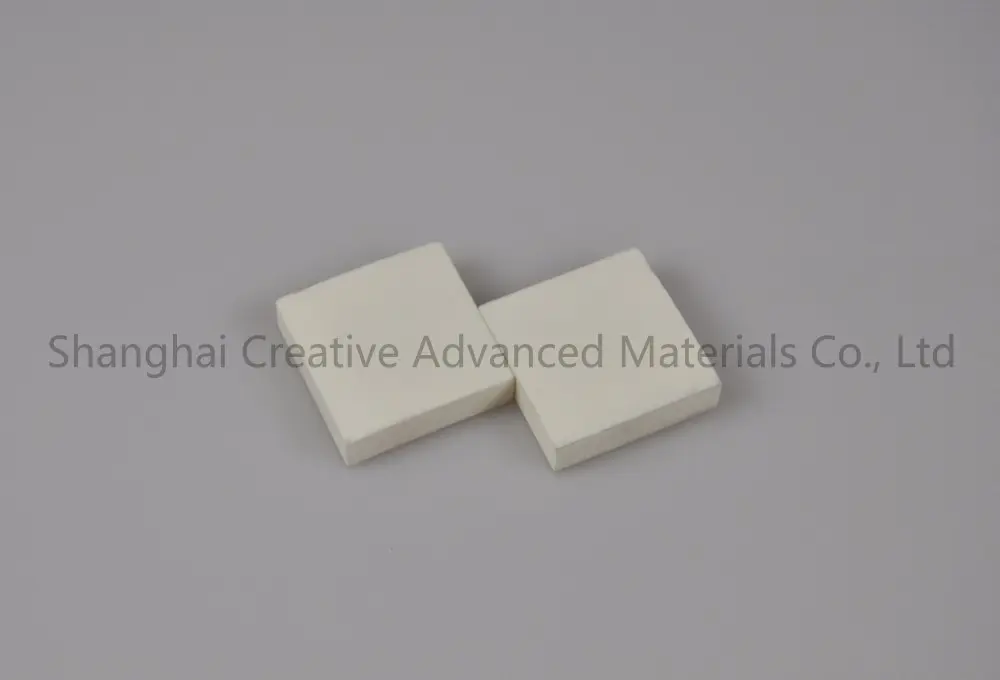
Evaluating advanced material research, densification kinetics, and precision sintering controls for high-density structural parts.
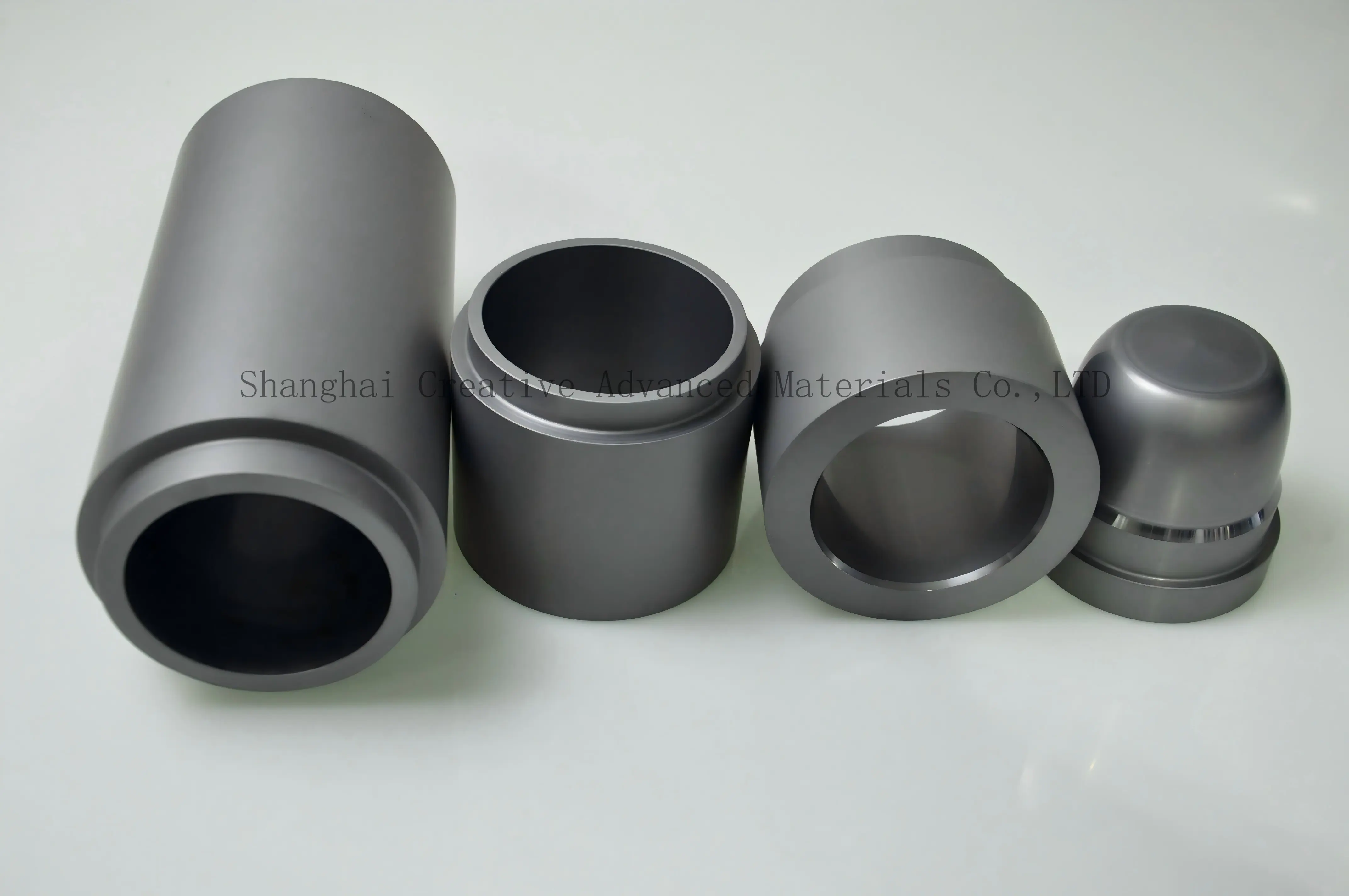
A detailed technical review comparing mechanical properties, density profile consistency, and grain boundaries in pressureless sintered ceramics.
Premium targets, coating slugs, and structural silicon nitride components engineered for vacuum and semiconductor processing.